
Recently, significant efforts have been made to identify the practices that can improve both food and nutritional security. Many interventions in agriculture have been designed to have an impact on nutritional outcomes. Progress has been made to enhance protein, vitamin A, iron, and zinc nutrients in food through biofortification. Scientific evidence shows this is technically feasible without compromising agronomic productivity.
Biofortification is the process by which the nutritional quality of food crops is improved through agronomic practices, conventional plant breeding, or modern biotechnology. Biofortification differs from conventional fortification in that biofortification aims to increase nutrient levels in crops during plant growth rather than through manual means during processing of the crops.
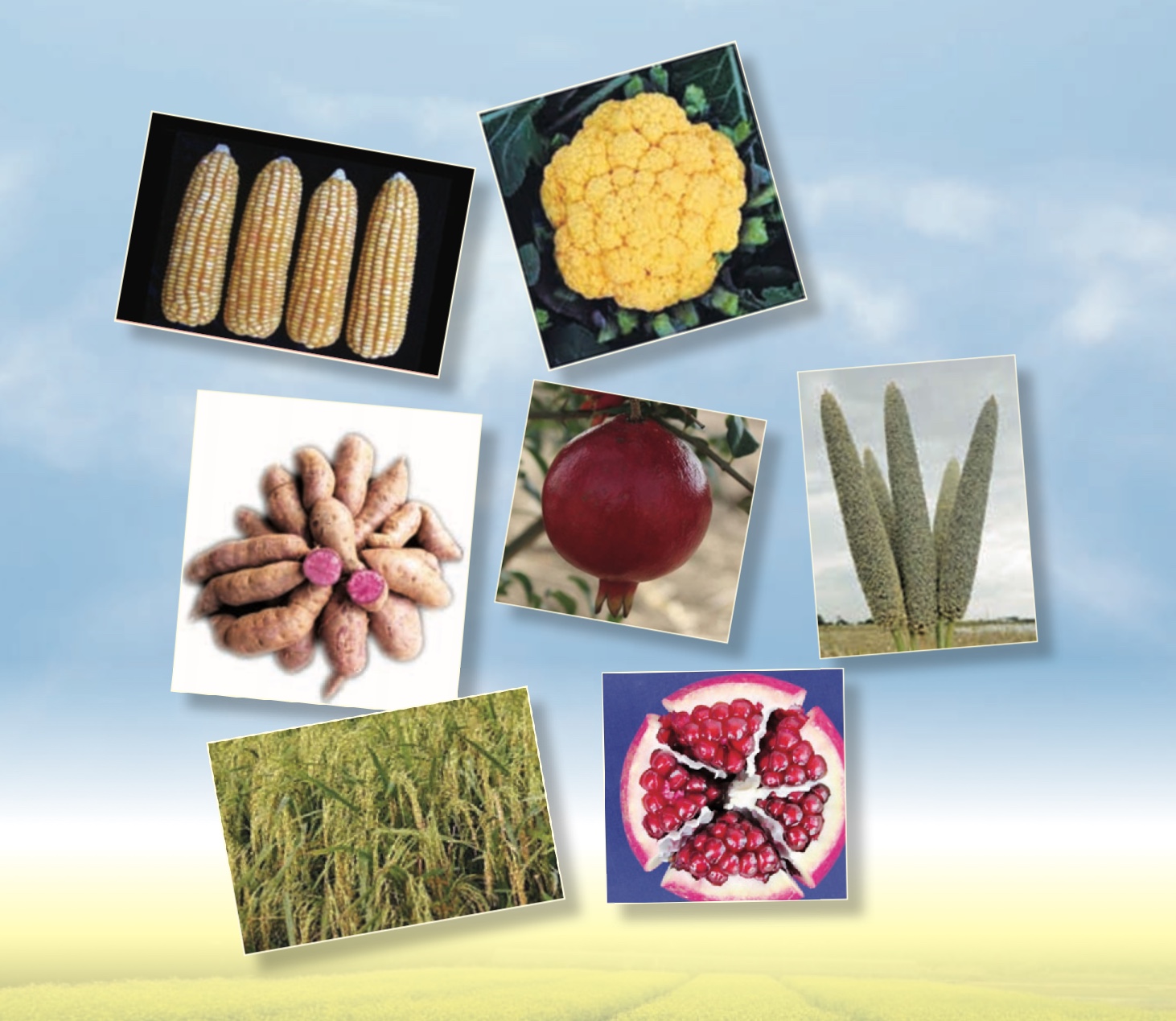
Some recently released and cultivated Biofortified Food crops in India are
Biofortified Rice
The ICAR-national rice research institute, cuttack has developed a high protein rice variety CR Dhan 310 with an average 10.3% protein in milled rice, by improving the popular high yielding variety Naveen. Popular varieties of rice usually contain about 7% protein, but the variety developed by NRRI contains 11 to 12%. The protein-rich rice makes the cereal more nutritious and help in solving the problem of malnutrition to a great extent.
Rice Biofortified with zinc, DDR dhan 45 was released by ICAR-Indian institute of rice research to farmers containing zinc 22 ppm in milled rice. It could contribute significantly to meeting protein and zinc requirement where the poor consume substantial amounts of rice daily and often sacrifice the consumption of other more nutrient-rich foods.
Biofortified maize
Pusa Vivek QPM9 Improved is country’s first provitamin-A rich maize. High provitamin-A (8.15 ppm), lysine (2.67%) and tryptophan (0.74%) as compared to 1.0-2.0 ppm provitamin-A, 1.5-2.0% lysine and 0.3-0.4% tryptophan content in popular hybrids
Biofortified pearl-millet
High iron (71 mg/kg), early-maturing, openpollinated pearl millet variety Dhanashakti was commercialized in India; and it is being adopted by more than 35,000 farmers.
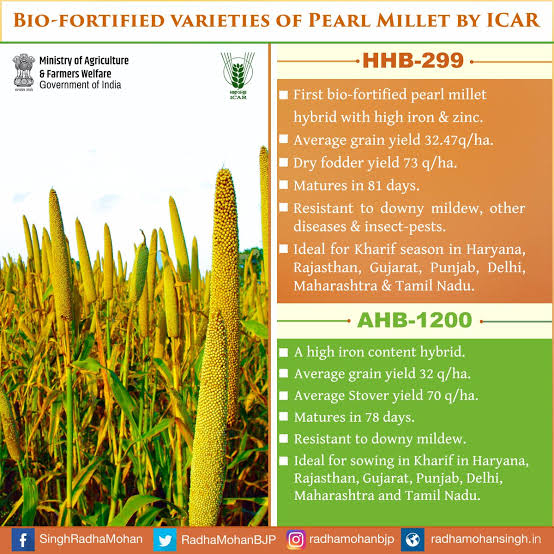
Pearl-millet has been Biofortified to improve its iron and zinc nutrients to target hidden hunger of undernourished and malnourished people, especially the poor who are not able to meet micronutrient requirements from the food they eat. Biofortified pearl millet, with higher iron and zinc content, is already being grown widely in Maharashtra.
Biofortified Cauliflower
Pusa Beta Kesari 1 is country’s first biofortified cauliflower. Contains high β-carotene (8.0-10.0 ppm) in comparison to negligible β-carotene content in popular varieties
Biofortified Pomegranate
High iron (5.6-6.1 mg/100g), zinc (0.64-0.69 mg/100g) and vitamin C (19.4 -19.8 mg/100 g) in fresh arils is found in Biofortified Pomegranate Solapur Lal. It was developed by ICAR, National Research Centre on Pomegranate, Pune. It is suitable for adaptation in Semi-arid regions of the country.
Why Biofortification ?
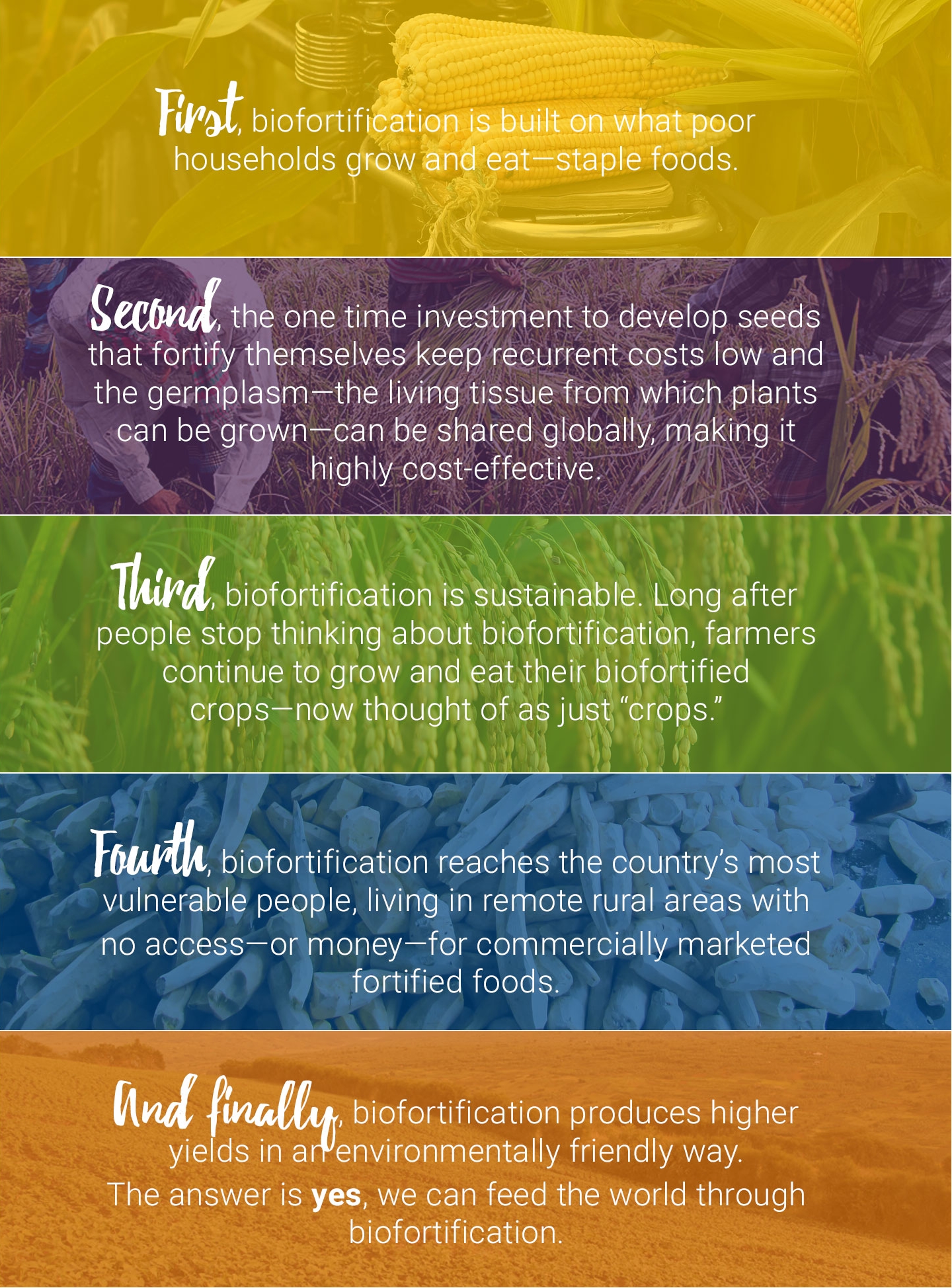
ICAR has developed over a dozen of biofortified varieties of crops that could be integrated into the food chain to enable better health of our human and animal populations.
It is estimated that every $1 invested in proven nutrition programme offers benefits worth $16. To this effect, agriculture R&D in India led by the Indian Council of Agricultural Research (ICAR) has initiated biofortification in crops as a sustainable and cost-effective solution to alleviate malnutrition. So far, ICAR has developed over a dozen of biofortified varieties of crops that could be integrated into the food chain to enable better health of our human and animal populations. The recent ‘National Nutrition Strategy’ by the NITI Aayog, Govt. of the India, would also provide impetus to utilize these biofortified varieties more effectively towards achieving ‘Kuposhan Mukt Bharat’.
References : ICAR biofortified varieties bulletin, Harvest Plus, WHO


